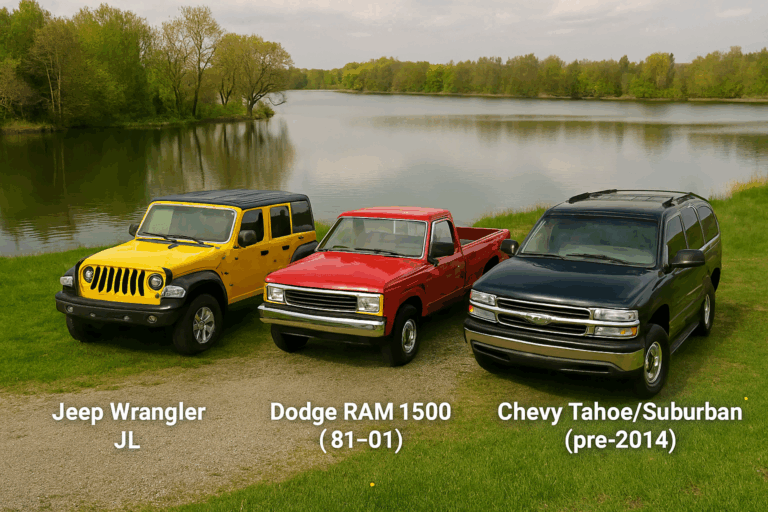
Bringing your American car to Germany can feel like a maze of rules, inspections, and paperwork. Whether you’re a US service member stationed here, an expat, or simply someone who loves their Dodge RAM or Mustang too much to leave behind, this guide will walk you through the process in plain English.
1. Federal Rules vs. State Differences
Car registration in Germany is governed by federal law (notably the Straßenverkehrs-Zulassungs-Ordnung – StVZO and the Fahrzeug-Zulassungsverordnung – FZV). These set the baseline requirements for all vehicles.
However, implementation can vary by Bundesland (state):
- In Bavaria and Baden-Württemberg, emissions checks (Abgasuntersuchung) are often stricter.
- In North Rhine-Westphalia (NRW), some TÜV stations are more familiar with US military imports and may process faster.
- In Berlin or Hamburg, expect longer wait times for Zulassungsstelle appointments.
👉 Bottom line: the rules are federal, but the experience depends on where you live.
2. Step‑by‑Step Registration Process
Step 1: Customs Clearance
- If you’re military, you may qualify for SOFA exemptions.
- Civilians must pay import duties and VAT unless the car qualifies as a relocation good.
Step 2: Technical Inspection (TÜV)
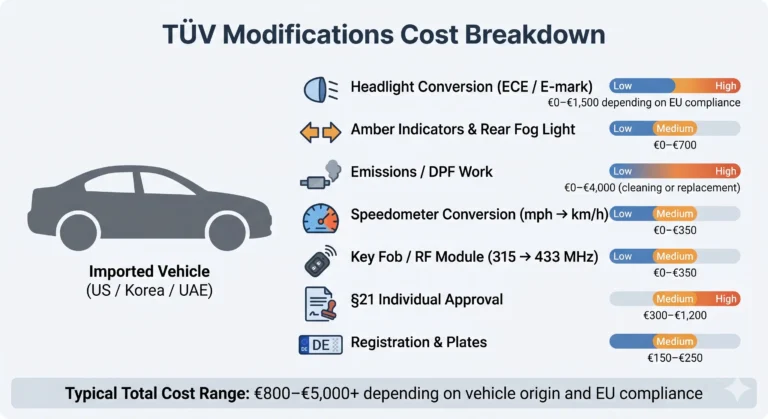
Your car must pass a TÜV inspection. For US cars, this usually requires:
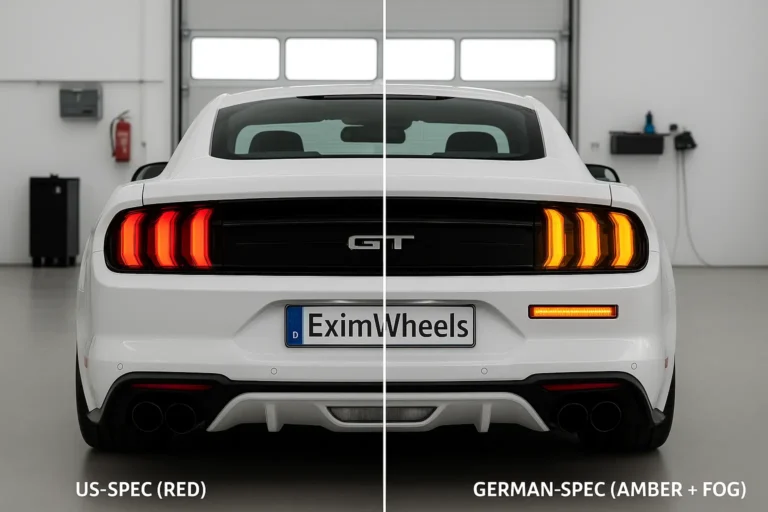
- Headlight conversion (to meet EU beam patterns)
- Amber indicators
- Rear fog light installation
- OBD compliance check
- Euro 6 emissions compliance (for newer cars)
👉 See our detailed post: TÜV for American Cars in Germany: A Calm, Step‑by‑Step Guide. Or
Step 3: Einzelabnahme (Individual Approval)
If your car doesn’t have a European Certificate of Conformity (CoC), you’ll need an Einzelabnahme. This is a one‑off approval by TÜV engineers confirming your car meets German standards.
👉 Learn more: TOP 5 TÜV Issues for American Cars.
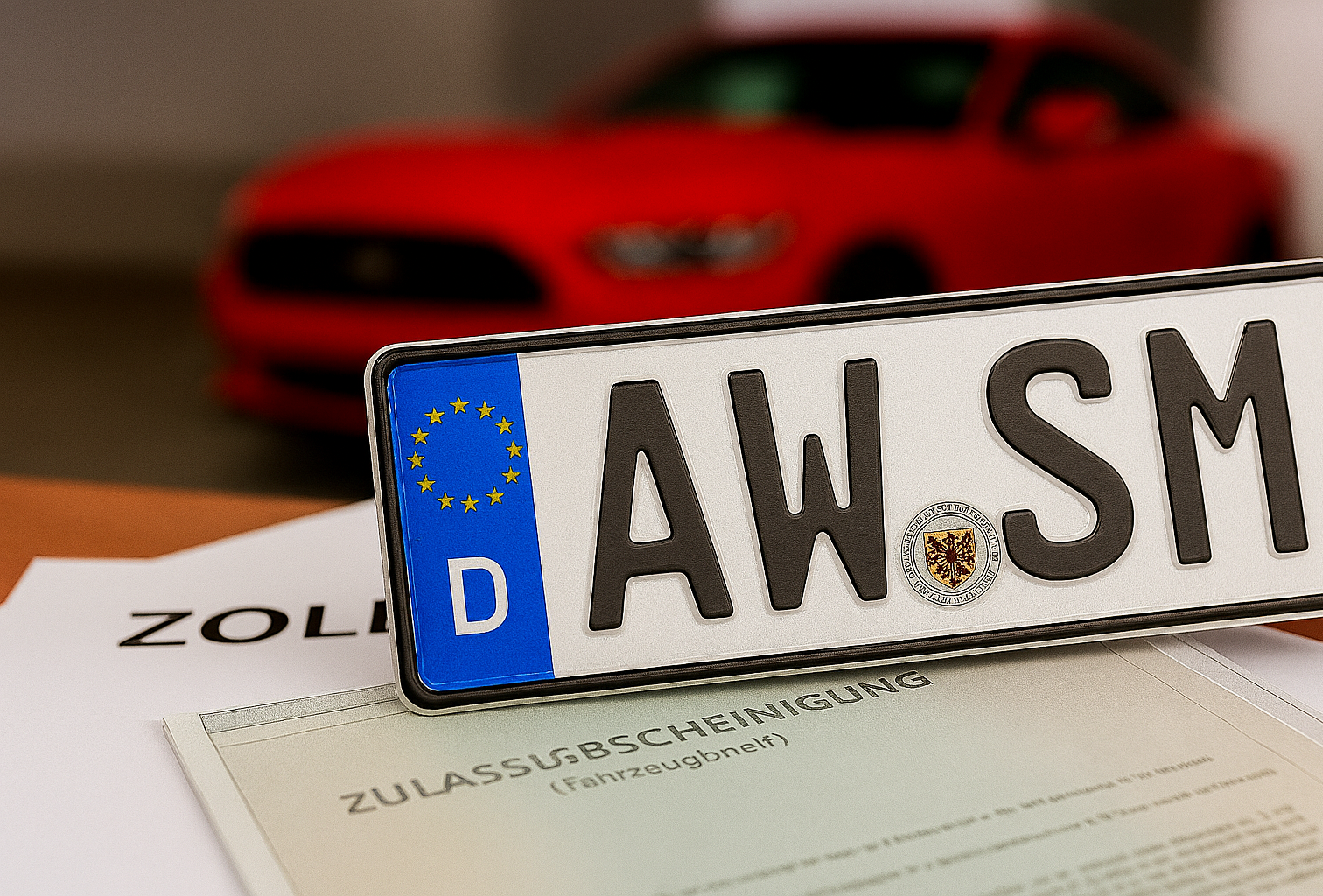
Step 4: Registration at the Zulassungsstelle
Bring:
- Passport / SOFA ID (if military)
- Proof of insurance (eVB number)
- Customs clearance papers
- TÜV certificate
- Proof of residence (Anmeldung)
Once approved, you’ll receive your German license plates.
3. Costs to Expect
- TÜV inspection: €250–€350
- Modifications: Really depends on headlights, emissions, etc.
- Einzelabnahme: €250–€450
- Registration fees: €50–€100
👉 For a breakdown, see: Simplify Your Import: The 3 Easiest American Cars to Register in Germany.
4. Tips for US Military & Expats
- Military personnel: Ask your base vehicle registration office for guidance — they often have direct contacts with TÜV.
- Expats: Book your Zulassungsstelle appointment early; in big cities, slots can take weeks.
- All drivers: Keep receipts — some costs may be tax‑deductible if tied to relocation.
✅ Final Thoughts
Registering a US car in Germany isn’t impossible — it just requires the right steps and local know‑how. Instead of spending weeks figuring it out alone, you can save time, money, and stress by working with specialists who do this every day.
and let us handle your registration from start to finish.
or fill the form below