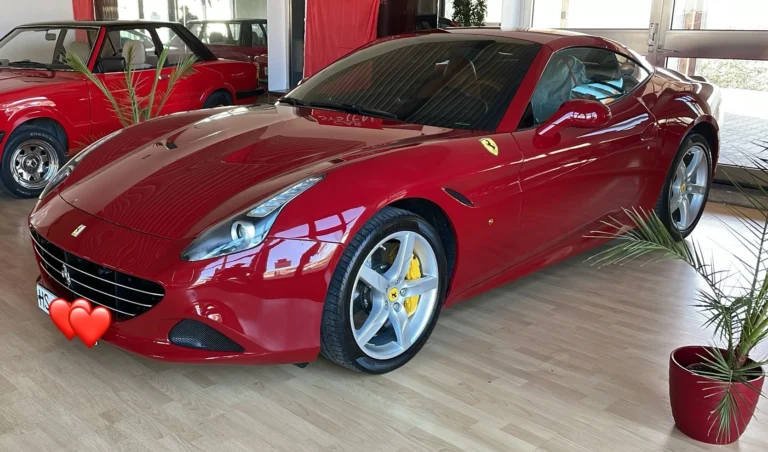
Importing a US car to Germany is exciting, but the registration process can be costly and time‑consuming if you make avoidable mistakes. Below is a practical, step‑by‑step guide that explains the five most common errors owners make, the real consequences, and exactly what to do instead. Follow this and you’ll save time, money, and frustration — plus get a free pre‑TÜV checklist at the end.
Why this matters
US cars are unique, desirable, and often excellent value — but they were built for a different market. German authorities require conformity with EU/German rules for safety, emissions, and documentation. Failing to meet those requirements can lead to failed TÜV inspections, refused registration, high modification bills, customs surprises, and insurance headaches. A well‑prepared import reduces risk and speeds up the moment you get your German plates.
Mistake 1 — Missing or incorrect documents
What happens: Registration is blocked or delayed; customs and vehicle authorities ask for clarifications; you may pay for couriered originals and translations.
What to check and prepare:
- Title / Certificate of Title: clear chain of ownership. If the title is branded (salvage, rebuilt) disclose it early.
- Bill of sale / purchase invoice: seller, VIN, price, VAT info.
- Certificate of Conformity (CoC) if available; if not, prepare technical data sheets from manufacturer.
- Export documents / customs declaration (if shipped) and original shipping bill.
- Service records and receipts for modifications.
- Translations: German versions of key documents or certified translations when requested.
Action steps:
- Create a document folder with originals and scanned backups.
- Get a certified translation of any non‑German document you may need to present.
- If CoC is unavailable, gather vehicle build sheets, emission certificates, and manufacturer specs to speed Einzelabnahme (individual acceptance).
Quick tip: make a single PDF “registration pack” for your garage/TÜV inspector to review before you arrive.
Mistake 2 — Underestimating customs, VAT and hidden fees
What happens: Unexpected bills on arrival, delayed release from port, budget blowouts.
What to check and prepare:
- Customs duty and VAT: value of the car + shipping + insurance forms the taxable base. Plan for these costs up front.
- Port and release fees: terminals and forwarders charge handling and storage if paperwork is delayed.
- Transport and conversion quotes: obtain written estimates for shipping, port handling, and conversion work (lights, speedo, emissions).
- Import broker or freight forwarder: they can reduce delays and mistakes but have fees.
Action steps:
- Ask your seller for a pro forma invoice that separates vehicle value, shipping, and insurance.
- Request exact customs tariff and VAT examples from your forwarder or customs agent.
- Budget a contingency (10–20%) for unexpected costs during conversion and TÜV rechecks.
Example cost ranges (estimates): customs/VAT can add several thousand euros depending on vehicle value. Conversion and repair bills for lights/emissions can range from a few hundred to several thousand euros.
Mistake 3 — Ignoring mandatory technical modifications
What happens: Failed TÜV inspection, repeat trips to the workshop, extra parts and labour.
Common technical issues for US cars:
- Headlights and indicators: beam pattern, amber indicators, and alignment often differ from EU specs.
- Rear fog light: mandatory in many EU countries for registration.
- Speedometer and odometer: km/h requirement and possible speedo recalibration.
- Emissions and exhaust: compliance with Euro standards or requirement to fit a catalytic converter/DPF.
- OBD compatibility and emissions testing ports: adapters or ECU updates may be required.
Action steps:
- Schedule a pre‑TÜV check with a workshop experienced in US → EU conversions.
- Replace or retrofit headlights/indicators to EU‑legal versions; ensure proper wiring and lens marking.
- Confirm emissions status and plan for any catalytic converter work or ECU updates before the TÜV appointment.
- Fit an approved rear fog lamp if your vehicle lacks one.
Quick workshop checklist (pre‑TÜV):
- Lights: beam, indicator color, fog lamp
- Brakes and suspension: pads, discs, play
- Tires: load index and tread
- Speedometer calibration or conversion
- Emissions: readiness and OBD connection
Mistake 4 — Skipping a pre‑TÜV inspection
What happens: You book TÜV, the car fails, you wait weeks for parts and another appointment, bills add up.
Why pre‑TÜV helps:
- Identifies likely failure points before the official test.
- Allows you to get quotes, order parts, and time repairs.
- Often cheaper than repeated TÜV inspections and emergency fixes.
Action steps:
- Book a detailed pre‑TÜV inspection with a specialist shop or TÜV‑approved workshop.
- Ask for a written pre‑TÜV report with prioritized repairs and cost estimates.
- Repair critical items, then re‑test in the same workshop before scheduling TÜV.
Timing tip: schedule pre‑TÜV at least 2–4 weeks before your intended registration date to avoid delays.
Mistake 5 — Choosing the wrong insurer or registration workflow
What happens: Insurance refusal, higher premiums, wasted time at the registration office.
What to check and prepare:
- eVB number: electronic insurance confirmation is required for registration; get one before you visit the Zulassungsstelle.
- Insurance terms for US imports: not every insurer covers conversions, modified odometers, or certain historic vehicles.
- Vehicle tax registration: you’ll need tax details and bank mandate (SEPA) for vehicle tax.
- Appointment strategy: many Zulassungsstellen require online appointments; show up without one and you’ll wait.
Action steps:
- Talk to insurers who specialise in imported or modified vehicles; get the eVB code immediately.
- Prepare the SEPA mandate details and ID for the vehicle owner.
- Book the Zulassungsstelle appointment early and confirm required documents on their website.
- If you’re using a broker, ensure they have explicit power of attorney and confirm timelines.
Practical timeline and estimated costs (example)
- Shipping + port release: 2–6 weeks (depending on service and customs)
- Pre‑TÜV check and conversion work: 1–3 weeks (workshop dependent)
- TÜV appointment + rechecks: 1–4 weeks (if modifications needed)
- Registration appointment: 1–4 weeks (appointment availability)
Estimated add‑on costs (very approximate):
- Customs & VAT: depends on value (major factor)
- Headlight/indicator conversion: €200–€1,200
- Emissions work/catalytic retrofit: €500–€3,500
- Pre‑TÜV check: €50–€200
- TÜV inspection fee: €100–€200
Real owner lessons (short cases)
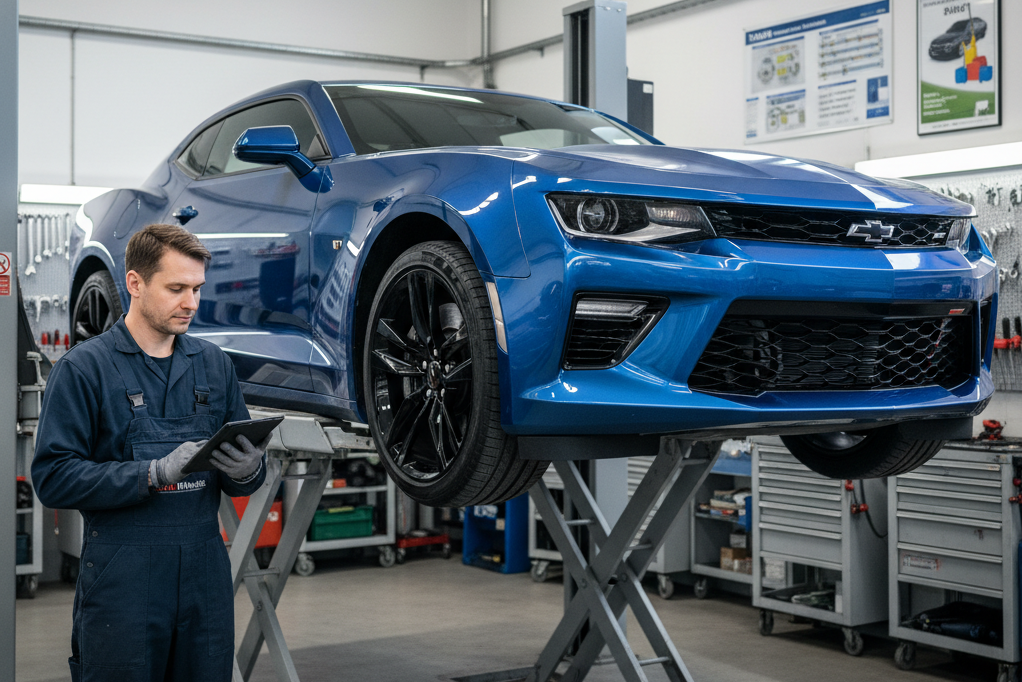
- Case A: Camaro owner skipped pre‑TÜV; failed on headlights and emissions; 3 re‑tests and €2,000 in surprise work. Lesson: pre‑TÜV saves time and money.
- Case B: Pickup owner secured certified translations and CoC alternatives before arrival; one workshop visit and passed TÜV first time. Lesson: documentation reduces friction.
- Case C: Owner booked Zulassungsstelle without eVB; waited two weeks for a new appointment. Lesson: arrange insurance first.
Free Pre‑TÜV Checklist (download CTA)
Get the printable two‑page checklist we use with every client: documents pack, pre‑TÜV workshop checklist, insurance & Zulassungsstelle checklist, and a one‑page garage form for mechanics. Download now (link) — enter your email to receive the PDF and get a free 15‑minute consult offer.
CTA text for blog and socials: Download the free “Pre‑TÜV Checklist for US Cars in Germany” and join our Telegram group for live Q&A and owner stories.
Quick FAQ
Q: My car has a US VIN — can it be registered? A: Yes, but VIN mapping and paperwork must show conformity. You may need Einzelabnahme if CoC is missing.
Q: How long until I get plates? A: From arrival to plates commonly 4–12 weeks, depending on paperwork, conversion work, and appointment availability.
Q: Can I insure the car before conversion? A: Some insurers will provide temporary or liability coverage. For full coverage, tell insurers about planned conversions and modifications.
Final checklist (one‑line action items)
- Gather and translate documents; create a registration PDF pack.
- Get a pro forma invoice for customs and calculate VAT/duty.
- Book a pre‑TÜV check and get written estimates.
- Arrange insurance and obtain eVB before booking Zulassungsstelle.
- Schedule TÜV only after workshop signs off on critical items.